I've been building a few projects recently, almost entirely through conversations with AI (a mix of Claude Opus 4.6, GPT-5, and Gemini 3). A personalized lemon-themed scrapbook page as a Valentine's Day gift, a website where you can leave anonymous sugarcubes for people, and this very portfolio site. I didn't use any design tools and did no real hands-on coding on my part. I didn't even open the IDE, mostly just the Agent UI. I described what I wanted and kept iterating until it felt right, and the results were genuinely good. Not "good for a vibe-coded project" good, but actually pretty insanely awesome. It made me wonder what I was even contributing to the process.
I wasn't really building anything, the AI was doing that. My job was closer to directing. I'd say things like "this feels too SaaS like" or "I want it to feel more like a physical object," and the AI would adjust. I was reacting and refining, pointing at things and going "more like this, less like that."
And the quality of what came out depended almost entirely on how specific I could be. When I said "make it look nice," I got something generic. When I said "I want this to feel like a well-designed instrument panel, tactile, deliberate, every element earning its place," I got something with actual personality. The AI didn't just ran with whatever I gave it, so the specificity was on me.
I've never really been a creative person, not in the traditional sense. I can't draw, I don't have a design background, I never once opened Figma for fun. But I've always been weirdly particular about things looking right. I'd spend way too long nudging the spacing on a slide deck, or get genuinely bothered by a font nobody else even noticed. I admired good design even when I couldn't produce any of it myself. I appreciated the craft without having the craft.
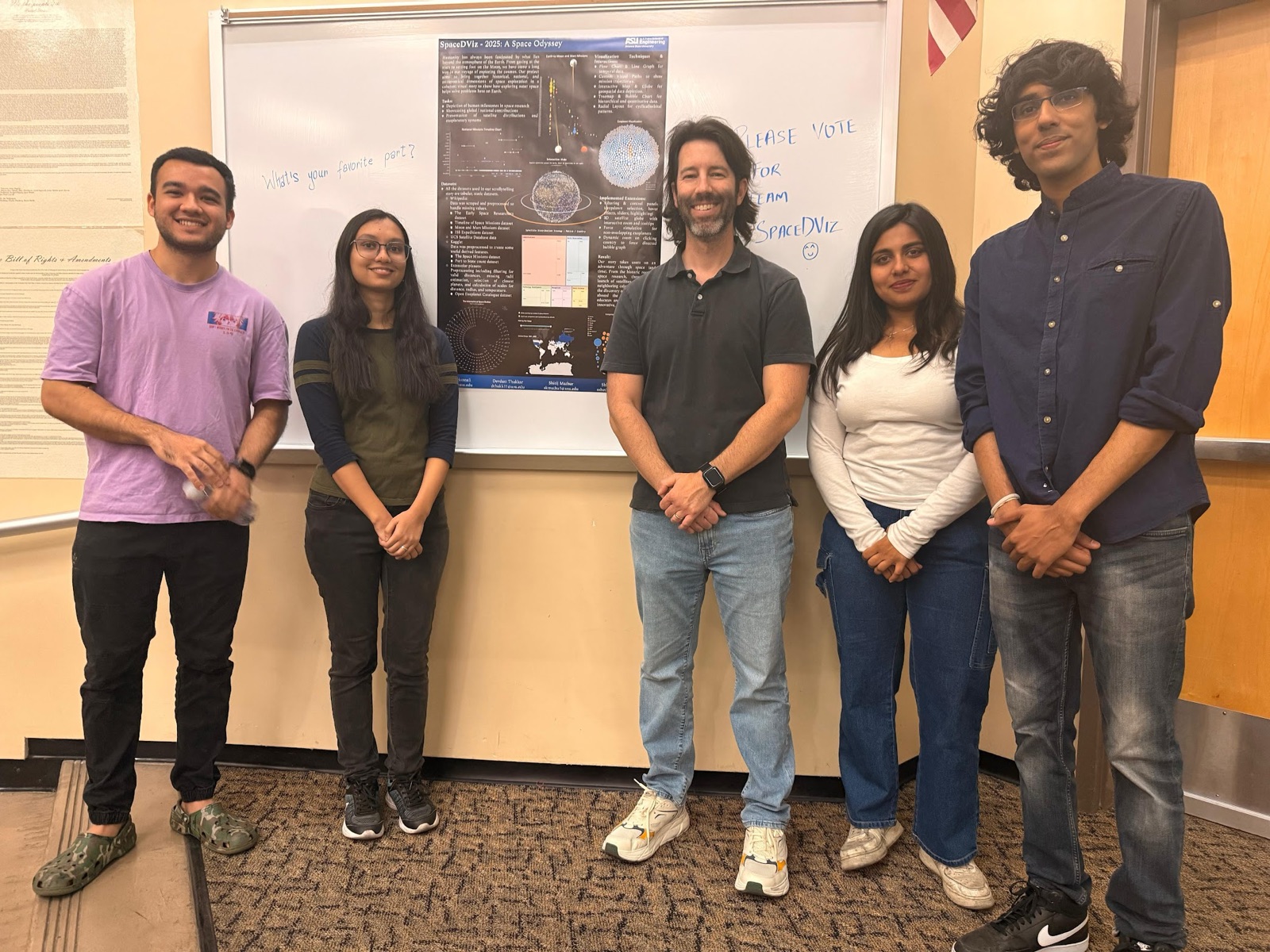
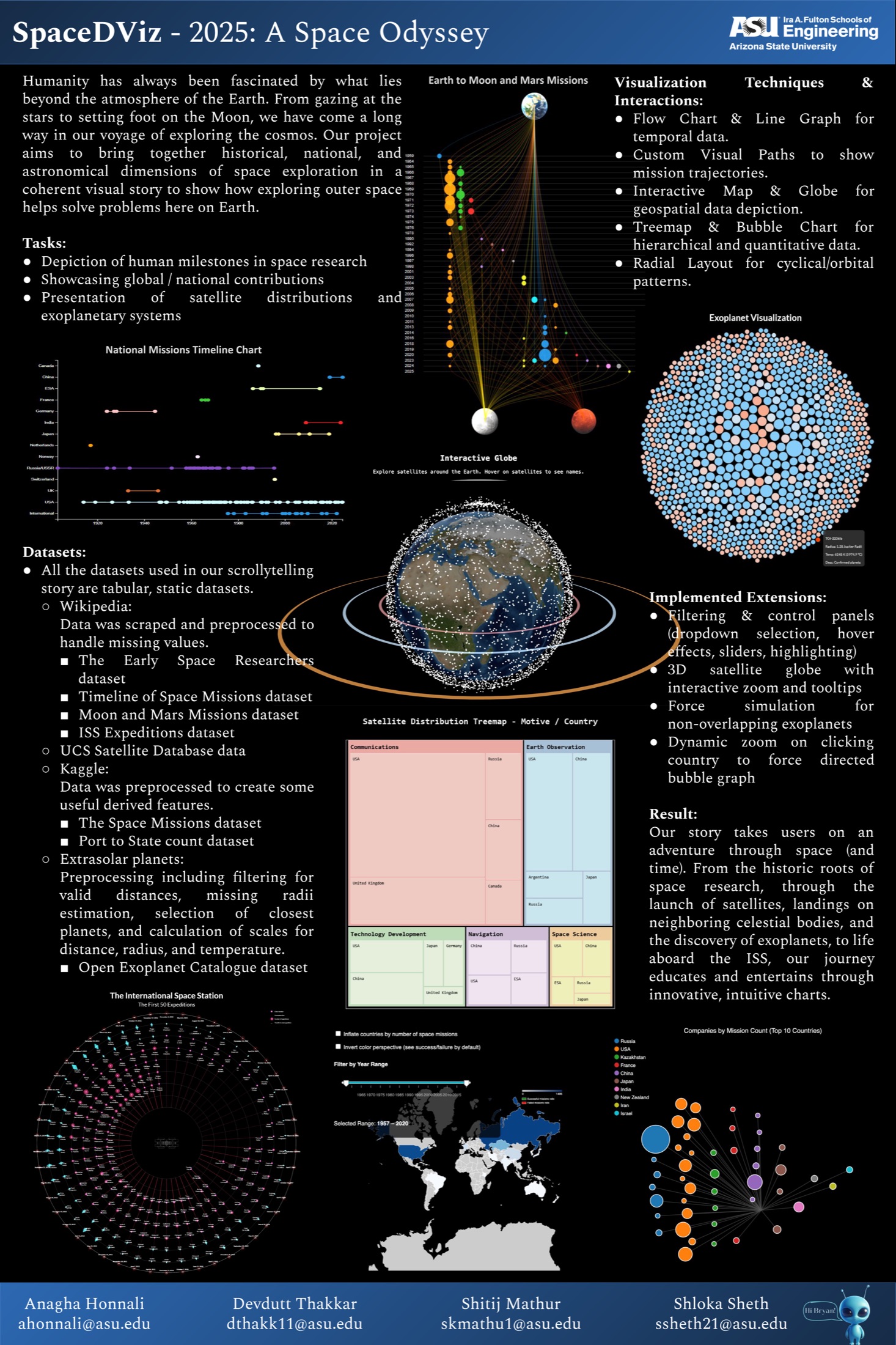
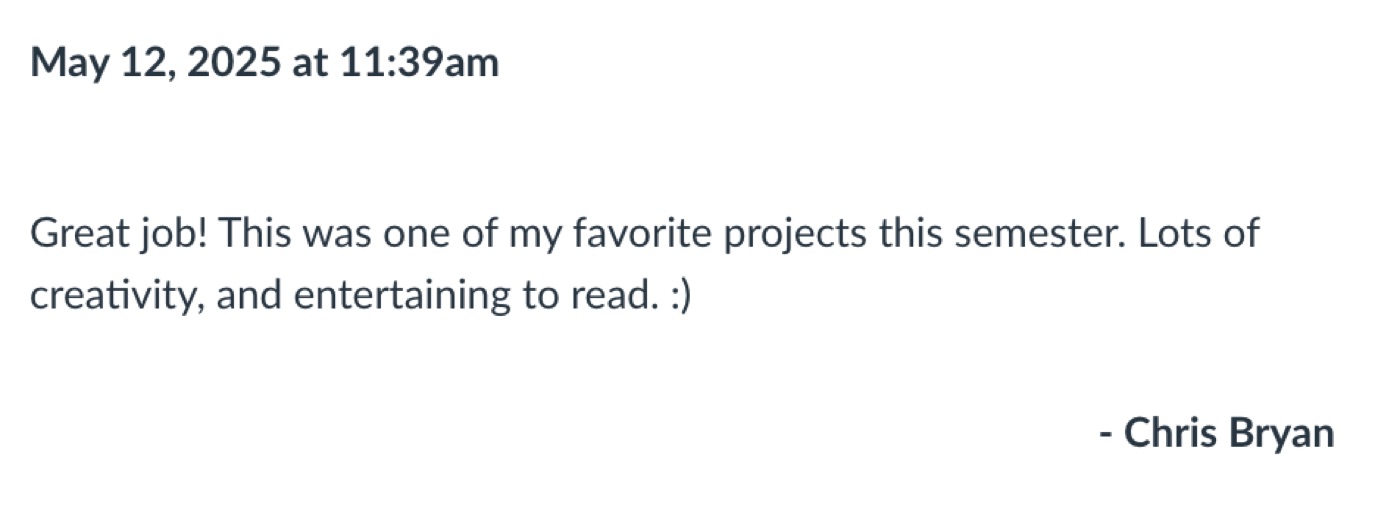
What made it click was a data visualization course I took in January 2025, in grad school with Dr. Chris Bryan. Honestly one of the best classes I've ever taken. He taught us about affordances, how a design tells you what something does just from how it looks, why some charts work and others quietly lie, what makes a visualization actually good and not just technically correct. I learned D3.js and put in way more effort than the assignments needed, not because I had to, but because I wanted the output to be beautiful. I'd be tweaking color scales and transitions and axis labels long after the thing already worked. That class gave me words for something I'd always felt but could never quite articulate.
I think that's what people mean when they talk about taste. Nobody's really born with it. It just builds up over time, all the small things you've noticed and cared about, until one day there's finally a way to point all of it at something.
I always assumed the hard part of making things was the making. The coding, the design, the technical know-how. But after enough of these conversations with AI, I realized the hard part had moved somewhere else: knowing what you want, and being able to say it clearly.
It's not as easy as it sounds. Saying "make the buttons feel like physical hardware" only works if you've handled enough physical hardware to know what that means as a design language. Saying "I want mid-century modern but warmer" means you already know what mid-century modern looks like, and what "warmer" does to it. All of that comes from having paid attention over the years. Noticing small details and caring about stuff that didn't seem useful at the time.
I used to think taste was a nice-to-have, that the real value was in execution, in whether you could actually build the thing. I'm starting to see that once AI handles the execution, taste is what's left to separate people. Two people with the same AI will get wildly different results based purely on what they bring to the conversation.
It's exciting, but also kind of humbling. "I don't know how to code" was a problem with a concrete fix: go learn. "I don't have enough references" or "I haven't paid enough attention to good work" is a much more personal gap. You can't really shortcut it. It comes from years of looking at things and actually caring about what you saw.
So mostly I've just been paying more attention. To the interfaces I use every day, to physical products, to the spaces I walk through. Not studying them exactly, just noticing what works and trying to figure out why, slowly building up a library of references I can reach for when I'm describing something to an AI.
And being more specific when I describe things. Instead of "make it minimal," I try to say what kind of minimal. Instead of "make it fun," I point at something specific that captures the kind of fun I actually mean. The AI responds to precision, and I've been trying to get better at handing it some.
I've started to think the future belongs to people who have strong opinions about details nobody else cares about. The kind of person who'll spend twenty minutes deciding whether a border radius should be 8px or 12px, or whether a hover state needs 150ms or 200ms to feel responsive without feeling jumpy. That used to just be obsessive. Now it's most of the skill.
I don't think I'm particularly good at this yet. But I'm getting better, and the gap between what I can imagine and what I can actually bring into existence is smaller than it's ever been.
These days most of this happens in the agent UIs rather than an editor: Claude Opus, GPT-5, Gemini. A few references I keep coming back to: impeccable.style, variant.com, and the taste-skill.